KeywordXS – The Essential Tool for Strategic Keyword Discovery and Analysis
In the competitive landscape of digital marketing, the right keywords are the currency of success. They are the bridge connecting a business’s offerings with potential customers actively searching for solutions. However, finding and selecting the perfect set of keywords can feel like searching for a needle in a haystack, especially for small to medium-sized advertisers with limited budgets. This is where specialized keyword research and analysis tools become indispensable. This article explores the concepts behind effective keyword discovery, the importance of strategic selection, and the kinds of features that powerful tools like KeywordXS offer to help marketers make data-driven decisions.
Understanding the Importance of Keyword Research
Keyword research is the foundation upon which successful search engine marketing (SEM) and search engine optimization (SEO) campaigns are built. It involves identifying the words and phrases that people use when searching for information, products, or services online. Without a well-researched keyword strategy, your marketing efforts can be like shouting into the void—reaching an audience that is either uninterested or too broad to convert.
The Three Key Factors of Keyword Value
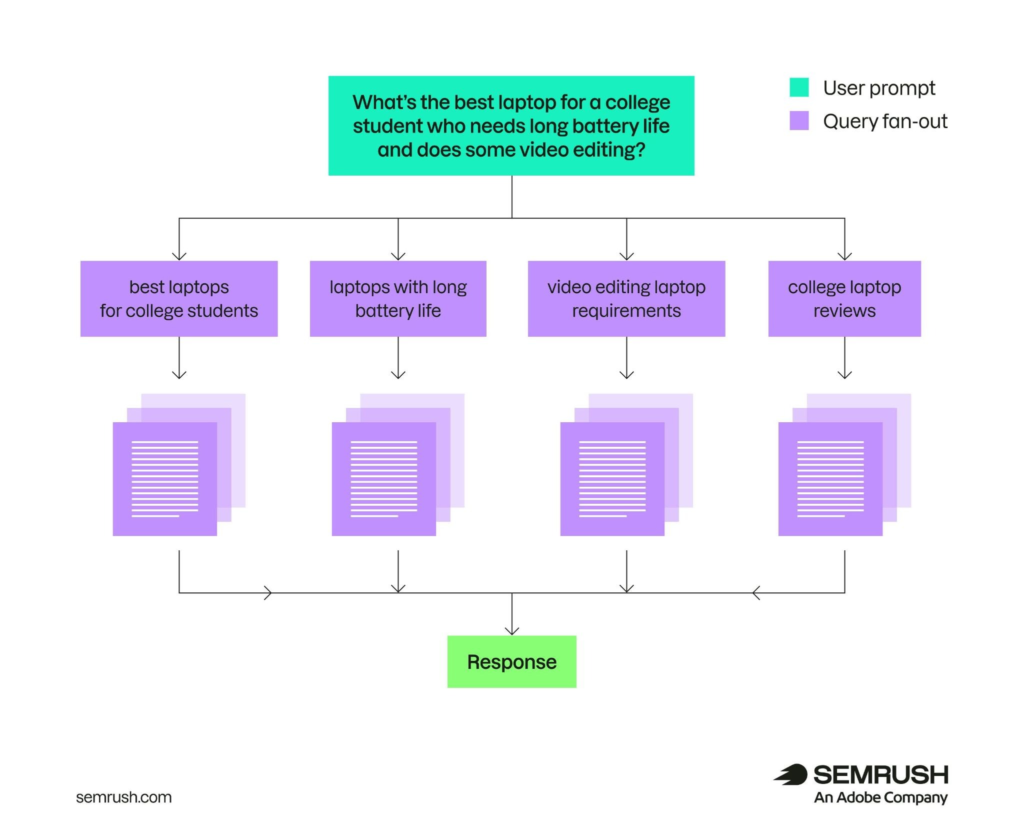
Effective keywords are typically evaluated based on three crucial factors: Search Volume, Competition, and Relevance.
- Search Volume: This metric indicates how many times a particular keyword is searched for in a given period, usually a month. Keywords with high search volume can drive significant traffic, but they are also typically the most competitive and expensive.
- Competition: This refers to how many other advertisers are bidding on the same keyword in paid search auctions. High competition drives up the cost-per-click (CPC), making it harder for smaller budgets to compete.
- Relevance: This is perhaps the most critical factor. It measures how closely a keyword aligns with the product or service you offer. A highly relevant keyword is more likely to attract users who are ready to take a desired action, such as making a purchase or filling out a form. Relevance is also key to improving Quality Score in ad platforms like Google Ads, which can lower costs and improve ad positions.
The Power of Long-Tail Keywords
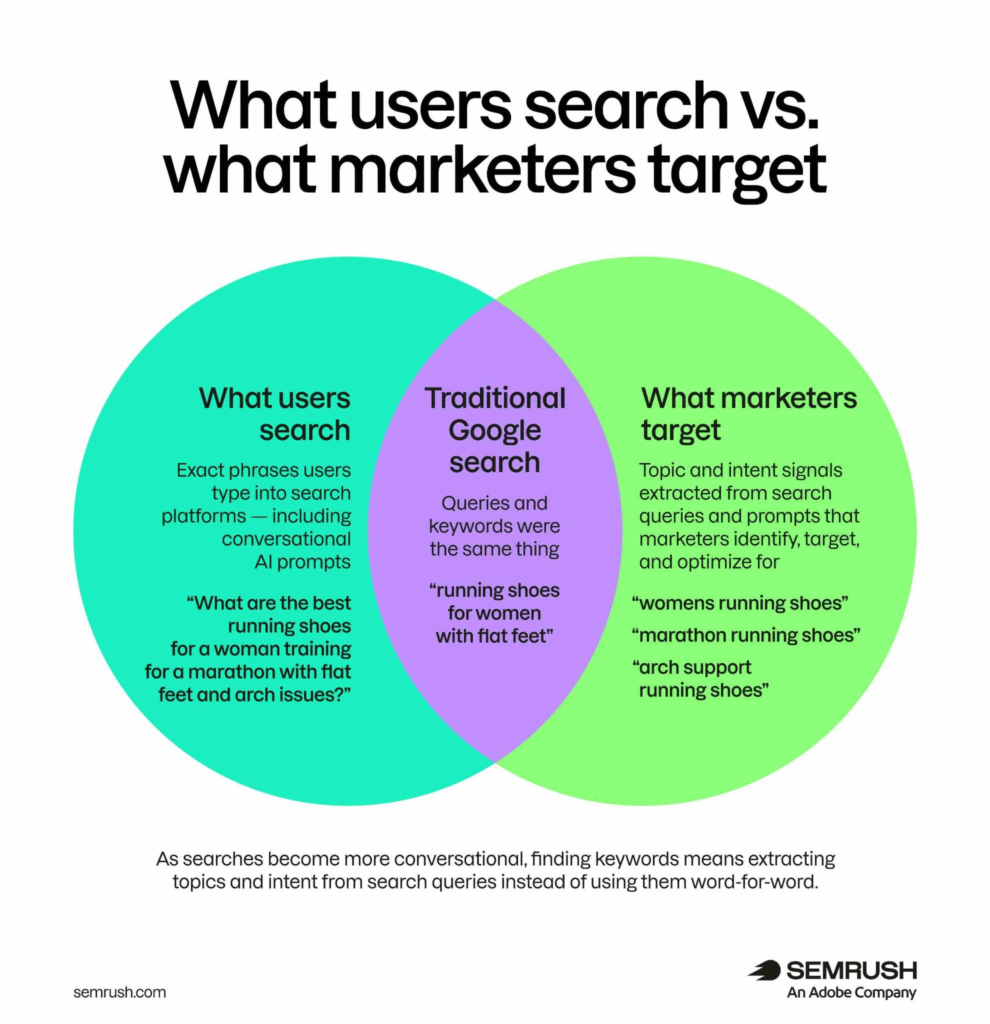
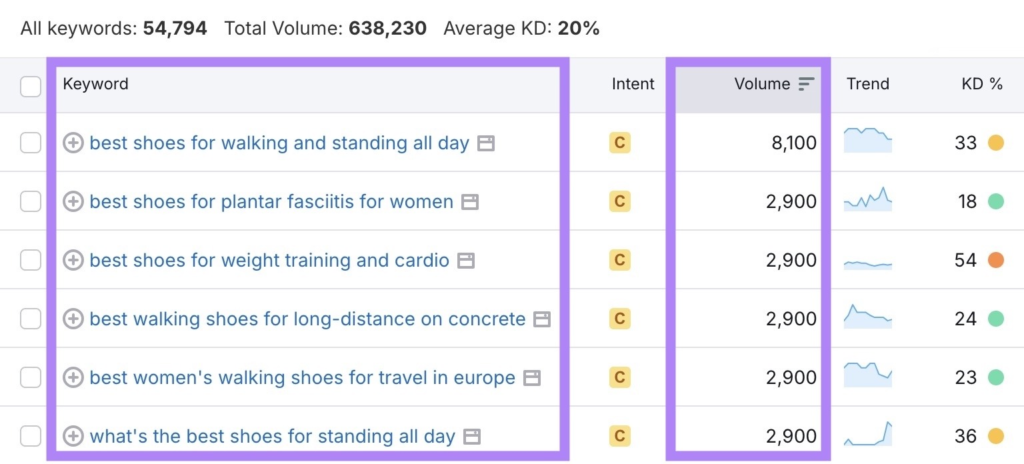
This is where the concept of long-tail keywords becomes so important. These are highly specific keyword phrases that may have lower individual search volumes but are incredibly valuable. For example, while “shoes” is a broad, competitive keyword, “best price on Air Jordan size 12” is a long-tail keyword. A user searching the latter is much further along in the buying process and has a clear intent. Although each long-tail keyword may not bring in massive traffic on its own, collectively, they can account for a significant number of profitable clicks. The specificity ensures lower competition and a higher conversion rate.
The Challenge for Small to Medium Advertisers
Small to medium-sized advertisers face unique challenges in the keyword landscape. They often lack the massive budgets to compete for broad, high-volume keywords against large corporations. They must be smarter with their keyword selection, focusing on the long-tail opportunities that their larger competitors might overlook. The challenge lies in efficiently identifying these hidden gems among a sea of possibilities.
Understanding the Competition
Another key aspect of competitive keyword strategy is understanding what your competitors are doing. Tools like SEMrush can provide a paid report showing the keywords a competitor’s domain has used in their campaigns over the past 12 months. By analyzing this data, particularly the Traffic% metric which indicates the share of traffic in the current month, advertisers can identify a competitor’s currently active keywords, often a subset of around 15 high-performing terms. This insight allows you to compare your own keyword selection (an “A-list”) against a competitor’s active list (a “C-list”), identifying potential gaps or opportunities.
The Need for Keyword Attributes and Analysis
To make informed decisions, advertisers need more than just a raw list of keywords. They need a suite of attributes to evaluate them. Key metrics include:
- Search Volume: The potential traffic a keyword can bring.
- Cost-Per-Click (CPC): The estimated cost for a paid search ad.
- Competition: A relative measure of how difficult it is to rank or advertise for the term.
- Position: The average ranking position for organic or paid search results.
- Traffic%: The share of traffic a keyword drives to a site compared to others.
- Word Count: The number of words in the keyword phrase, which is a useful proxy for specificity and a key indicator of long-tail potential.
- String Match: Whether a keyword contains a specific word or phrase defined by the user, which is vital for aligning with product names or brand terms.
Core Features of an Advanced Keyword Discovery Tool
An effective keyword exploration tool provides a user-friendly interface to gather, analyze, and manage these attributes. The goal is to transform raw data into actionable intelligence.
Visualization and Interaction
One of the most powerful ways to explore keyword data is through visualization. A common and effective method is the parallel coordinates plot. This design represents each keyword as a line connecting multiple vertical axes, each corresponding to a different attribute (e.g., CPC, Volume, Competition). This allows users to see complex multi-dimensional relationships and easily identify outliers or patterns. For instance, lines that remain low across “Competition” and “CPC” axes but high on “Volume” quickly highlight potentially valuable, low-competition opportunities. The ability to filter by brushing along an axis further refines the search, allowing users to isolate keywords that meet specific criteria, such as a search volume below a certain threshold and a competition score within a target range.
Managing Keyword Lists
Managing and organizing keywords is another critical function. Users typically need to:
- Create and Edit Lists: Tools should allow users to create distinct lists (or projects) for different campaigns, clients, or topics.
- Add and Remove Keywords: A simple interface for adding a keyword to a shortlist (often referred to as an “A-list”) for further analysis.
- Group and Organize: The ability to organize keywords into hierarchical groups or ad groups is essential for campaign structure.
- Deduplicate: Finding and eliminating duplicate keywords across groups to avoid wasteful bidding.
Competitive Analysis
As mentioned earlier, comparing your keyword list to a competitor’s is a powerful feature. A good tool facilitates:
- Identifying Overlaps: Show which keywords appear in both your list and a competitor’s.
- Comparing Distributions: Allow users to compare the average value and distribution of key attributes (like CPC, Volume, Traffic%) between the two lists, providing strategic insights into competitive differences.
Advanced Features and Automation
Advanced tools offer features that go beyond basic discovery, streamlining campaign creation and optimization:
- Negative Keyword Identification: The ability to identify and add negative keywords to campaigns helps filter out irrelevant traffic and save budget.
- Automated Grouping: Tools can automatically analyze keywords for common words and suggest logical groupings, saving significant time.
- Integration: Direct integration with ad platforms (Google, Bing, Yahoo!) via APIs allows for seamless campaign publishing and synchronization.
- Data Export: The ability to export data in common formats like CSV for further analysis in other tools.
Frequently Asked Questions (FAQs)
1. What exactly is a “long-tail” keyword, and why are they important?
A long-tail keyword is a very specific, often multi-word phrase that users search for when they are close to making a decision or purchase. While each individual long-tail keyword has low search volume, they collectively account for a large portion of all searches. They are crucial for smaller businesses because they have much lower competition and a higher likelihood of converting a visitor into a customer, making them more cost-effective.
2. How can I analyze my competitors’ keywords?
You can use competitive intelligence tools like SEMrush or SimilarWeb. By entering a competitor’s domain, these tools can provide a “paid report” showing the keywords they have used in their ad campaigns. By analyzing metrics like Traffic%, you can often identify their currently active, most effective keywords, giving you a benchmark and revealing potential gaps in your own strategy.
3. What is a parallel coordinates plot in keyword research?
A parallel coordinates plot is a visualization method used in advanced keyword tools. It represents each keyword as a line that crosses a series of vertical axes. Each vertical axis represents a different metric or attribute (like Search Volume, CPC, or Competition). This layout makes it easy to see complex relationships and spot the few keywords that have desirable values across all metrics (e.g., high volume, low competition).
4. What are negative keywords, and why should I use them?
Negative keywords are terms that you tell search engines not to show your ads for. For example, if you sell luxury watches, you might add “cheap” as a negative keyword. This prevents your ad from appearing for irrelevant searches (like “cheap watches”), saving your budget for more relevant users who are more likely to convert, thus improving your return on investment.
5. What does “Keyword Grouping” mean, and how does it help?
Keyword grouping is the process of organizing a large list of keywords into smaller, tightly-themed groups or ad groups. For example, a general group for “shoes” could be broken down into “running shoes,” “dress shoes,” and “hiking boots.” This is vital for paid search because you can then write highly specific ad copy for each group, which drastically improves your ad’s relevance, Quality Score, and click-through rate, ultimately lowering your costs.
Conclusion
Effective keyword research is the cornerstone of any successful digital marketing strategy. It is the process of moving beyond guesswork to data-driven decision-making. For small to medium-sized businesses, the ability to find and leverage high-value long-tail keywords, understand competitive landscapes, and organize keywords effectively can be the difference between a campaign that flourishes and one that flounders.
Modern keyword research tools provide the necessary functionality to navigate this complex process. By integrating powerful features like multi-dimensional visualization for pattern discovery, robust list management for strategic planning, and advanced automation for execution, they equip marketers with the intelligence needed to craft winning campaigns. While the tool itself is a facilitator, the core strategic principles of focusing on relevance, understanding competition, and prioritizing long-tail opportunities are timeless. By mastering these principles and leveraging the right technology, advertisers can effectively reach their target audience and achieve their marketing goals.