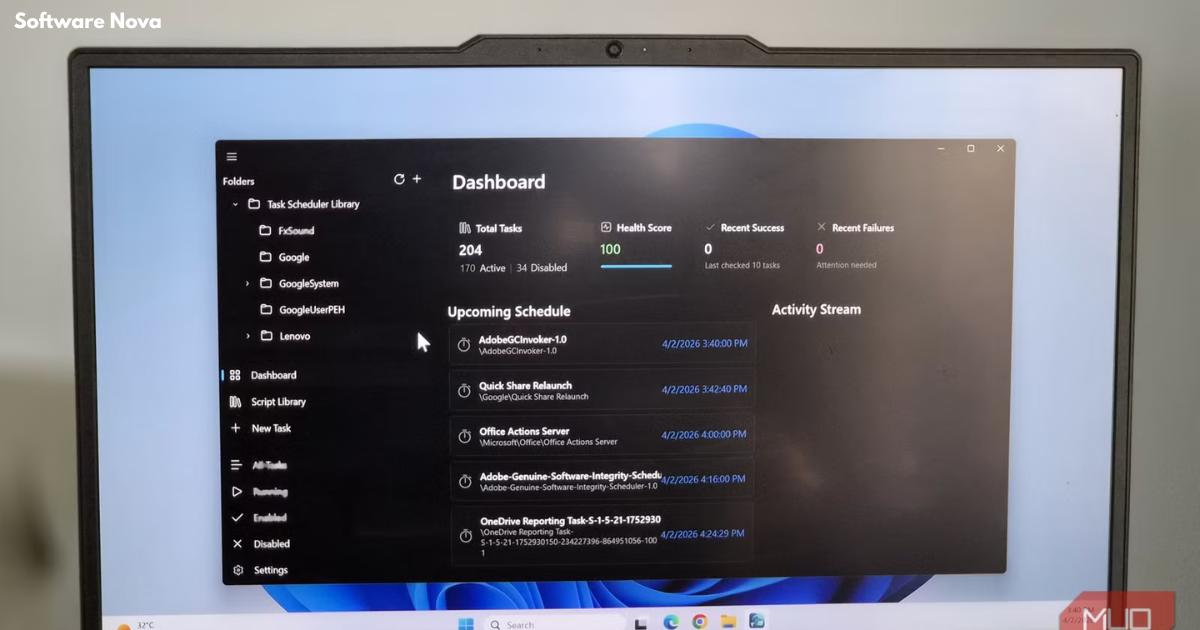
Electro Scheduler – Tool for Streamlining Your Electrical Tasks
In today’s fast-paced world, managing electrical systems efficiently is crucial for both residential and commercial settings. Whether you’re a facility manager, an electrician, or a homeowner, having the right tools to schedule and control electrical operations can significantly enhance productivity and safety. This is where specialized scheduling software comes into play, offering a centralized platform to manage various electrical tasks. This article explores the concept of electrical scheduling, its benefits, key features, and how it can revolutionize the way you handle electrical management.
Introduction to Electrical Scheduling
Electrical scheduling refers to the process of planning, organizing, and automating electrical tasks and operations. It involves using software or applications to set timers for electrical devices, manage power consumption, automate repetitive tasks, and ensure systems run efficiently. A prime example of such a tool is the concept behind applications like Electro Scheduler, which aims to provide a comprehensive solution for electrical management. By leveraging scheduling tools, users can optimize energy usage, reduce costs, and improve operational efficiency across various domains, from industrial settings to smart homes.
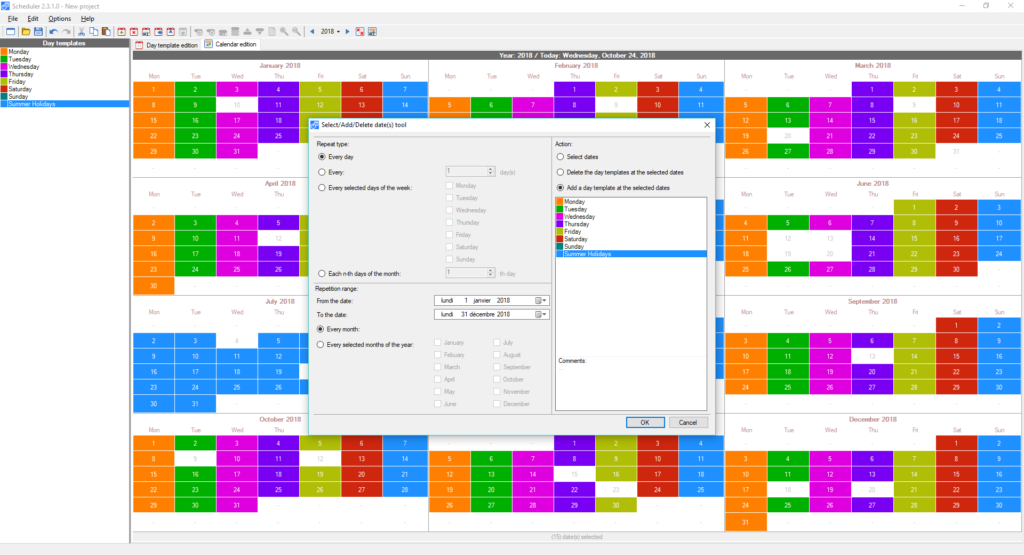
Why Electrical Scheduling Matters
Enhancing Energy Efficiency
One of the primary benefits of electrical scheduling is its ability to optimize energy consumption. By automating when devices turn on and off, users can significantly reduce unnecessary power usage, leading to lower electricity bills and a smaller carbon footprint. For instance, scheduling HVAC systems or lighting to operate only during occupied hours can result in substantial energy savings. This not only supports environmental sustainability but also aligns with corporate social responsibility goals.
Improving Operational Productivity
For businesses, especially those in manufacturing or facility management, electrical scheduling ensures that critical systems operate seamlessly. Automation reduces the need for manual intervention, allowing staff to focus on more strategic tasks. It also minimizes the risk of human error, ensuring that processes run smoothly and consistently. This boost in productivity can lead to better resource allocation and improved overall performance.
Increasing Equipment Lifespan
Proper scheduling of electrical equipment can prevent unnecessary wear and tear. By ensuring that machinery operates only when needed, users can extend the lifespan of expensive assets. Additionally, scheduling tools often include maintenance alerts, reminding users to perform routine checks, which further protects equipment from unexpected failures. This proactive approach to maintenance can save businesses significant repair and replacement costs in the long run.
Supporting Safety and Compliance
In regulated industries, maintaining safety standards is paramount. Electrical scheduling software can help enforce safety protocols by ensuring that systems are tested regularly and operate within safe parameters. It can also generate logs and reports that are useful for audits and compliance checks. By automating these safety measures, businesses can reduce liability and ensure a safer working environment for employees.
Key Features of Effective Electrical Scheduling Software
Remote Control and Monitoring
Modern scheduling applications offer remote access capabilities, allowing users to control and monitor electrical systems from anywhere. This is particularly useful for facility managers overseeing multiple sites. Through a centralized dashboard, they can adjust settings, receive alerts, and troubleshoot issues without being physically present. This feature enhances flexibility and responsiveness, especially in emergency situations.
Automated Scheduling and Timers
The core functionality of any scheduling tool is its ability to set automated timers and schedules. Users can create custom schedules for various devices, specifying start and stop times, days of the week, and duration. Advanced tools may include astronomical timers that adjust based on sunrise and sunset, further optimizing energy use. This automation ensures that devices operate exactly when needed, reducing waste and manual effort.
Preventative Maintenance Automation
Beyond basic scheduling, sophisticated solutions integrate preventative maintenance features. By leveraging machine learning and usage data, these tools can predict when maintenance is due and automatically schedule service requests. This predictive capability helps avoid costly downtime and extends the operational life of equipment. Automated maintenance logs also simplify record-keeping and compliance reporting.
Integration Capabilities
Effective scheduling software should integrate seamlessly with other systems. This includes connecting with building management systems (BMS), IoT devices, e-commerce platforms, and third-party marketplaces. Integration ensures that scheduling is part of a larger, cohesive operational ecosystem. For instance, an e-commerce integration might allow for automatic inventory adjustments based on equipment usage.
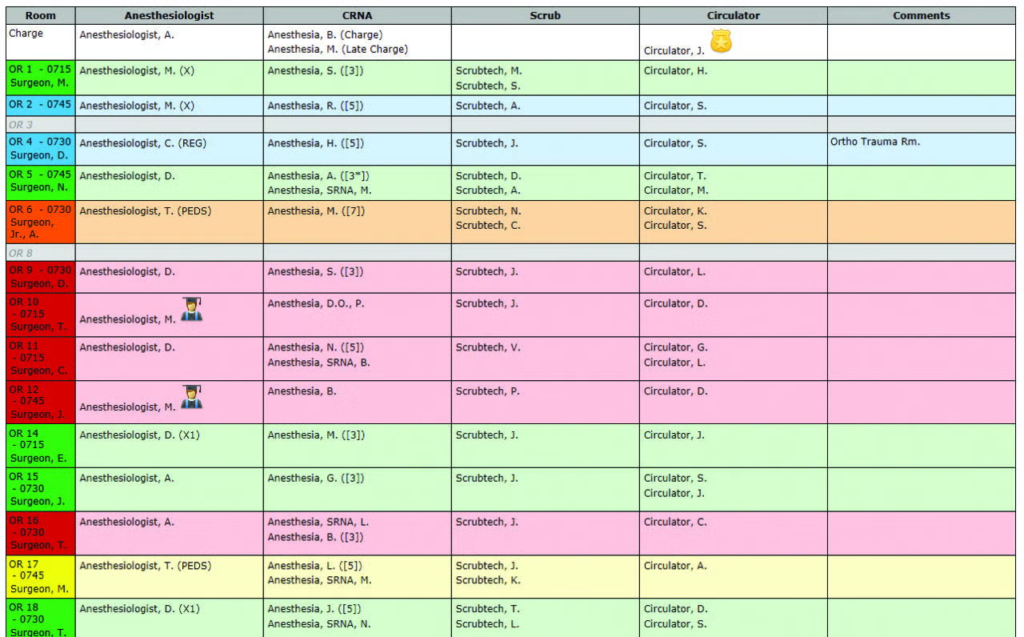
User-Friendly Interface and Accessibility
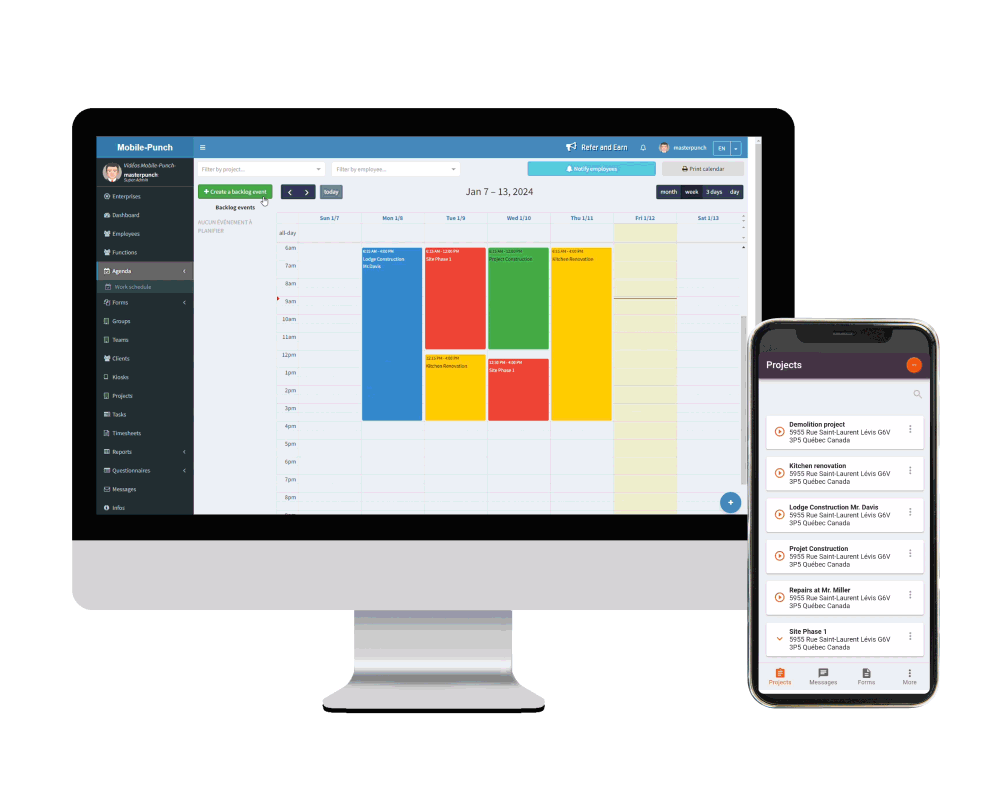
The software’s usability is critical for widespread adoption. An intuitive interface with clear dashboards and easy navigation ensures that users can quickly set up and manage schedules. Mobile accessibility is also a key feature, enabling on-the-go adjustments. Support for multiple platforms, including iOS, Android, iPad, and Mac, ensures that users can access the tool from their preferred devices.
Applications of Electrical Scheduling
Smart Home Management
Homeowners can use electrical scheduling to automate lighting, heating, cooling, and entertainment systems. By integrating with smart home hubs, they can create routines that enhance comfort and convenience while reducing energy bills. For example, scheduling smart blinds to close during peak sun hours can help regulate indoor temperature. Additionally, scheduling outdoor lighting can improve home security.
Commercial Building Automation
In commercial spaces, scheduling is vital for managing lighting, HVAC systems, and access control. Building managers can optimize energy use based on occupancy patterns, reducing operational costs. Automated scheduling also supports sustainability initiatives, helping buildings achieve green certifications. For tenants, these systems ensure a comfortable and consistent indoor environment.
Industrial and Manufacturing Settings
Factories and warehouses rely heavily on scheduled operations to maintain production lines. Electrical scheduling can manage conveyor belts, robotic arms, and packaging machinery, ensuring efficient workflows. It also plays a role in energy management, scheduling high-power machinery during off-peak hours to reduce electricity costs. Integration with maintenance systems ensures that equipment is serviced regularly, minimizing production delays.
Remote Site Management
For organizations with multiple remote sites, such as telecommunications towers or renewable energy installations, remote electrical scheduling is invaluable. It allows centralized control of generators, UPS systems, and environmental controls. This capability ensures that remote sites remain operational and secure, with immediate alerts for any anomalies. Automated scheduling can also manage battery charging cycles, prolonging backup power availability.
Best Practices for Implementing an Electrical Scheduler
Assess Your Needs
Before selecting a scheduling tool, thoroughly assess your requirements. Identify which devices or systems you need to control, the complexity of scheduling required, and your integration needs. Consider whether you need basic timers or advanced features like machine learning and remote control. A clear understanding of your goals will guide you to the right solution.
Choose the Right Software
Evaluate different scheduling applications based on features, compatibility, scalability, and cost. Look for software that supports your specific hardware and operating systems. Reading user reviews and comparing options can provide valuable insights. Ensure the provider offers reliable technical support and regular updates to keep the software secure and efficient.
Plan and Test Schedules
Start with a well-planned schedule that aligns with your operational needs. Test the schedules in a controlled environment to ensure they work correctly before full implementation. Regularly review and adjust schedules based on performance data and changing requirements. This iterative approach helps optimize efficiency over time.
Train Your Team
Provide adequate training for all users to ensure they can effectively utilize the scheduling software. Cover basic functions, troubleshooting, and how to interpret system reports. Encourage feedback from users to identify areas for improvement. Well-trained staff are more likely to adopt the system fully and maximize its benefits.
Monitor and Optimize
Continuously monitor the system’s performance and energy usage. Most scheduling software provides analytics and reporting features that can help you identify trends and inefficiencies. Use this data to fine-tune schedules and make informed decisions about equipment upgrades or process changes. Regular monitoring ensures that your scheduling remains effective and cost-efficient.
Future Trends in Electrical Scheduling
Integration with AI and Machine Learning
The future of electrical scheduling lies in artificial intelligence (AI) and machine learning. These technologies can analyze vast amounts of data to predict optimal schedules automatically. For instance, AI can learn occupancy patterns in a building and adjust HVAC settings for maximum comfort and efficiency. This predictive capability will make scheduling tools more intuitive and effective.
Enhanced IoT Connectivity
The Internet of Things (IoT) is expanding, with more devices becoming connected. Future scheduling software will likely support an even broader range of IoT devices, enabling more granular control. Integration with smart sensors will allow for real-time adjustments based on environmental conditions, such as adjusting lighting based on natural light levels.
Focus on Sustainability and Green Energy
As sustainability becomes a global priority, electrical scheduling will play a key role in managing renewable energy sources. Tools may evolve to integrate with solar panels, wind turbines, and battery storage systems, optimizing energy use and storage based on weather forecasts and energy prices. This focus will help businesses and homeowners reduce their environmental impact.
Voice-Activated Control
Voice assistants are becoming ubiquitous in homes and offices. Future scheduling applications are likely to include more robust voice control features, allowing users to adjust schedules with simple voice commands. This will further enhance convenience and accessibility, particularly for users with mobility constraints.
Cloud-Based Solutions and Data Analytics
Cloud-based scheduling platforms will become the norm, offering enhanced scalability and data storage. Advanced analytics will provide deeper insights into energy usage, equipment performance, and cost savings. Users will be able to access comprehensive dashboards and generate custom reports from any location, improving decision-making.
Frequently Asked Questions (FAQs)
1. What is electrical scheduling software used for?
Electrical scheduling software is designed to automate and manage electrical tasks. It allows users to set timers for devices, monitor energy consumption, and control systems remotely. This helps improve energy efficiency, reduce costs, and ensure equipment operates reliably. It is used in homes, commercial buildings, and industrial facilities to streamline operations and enhance safety.
2. Can I use electrical scheduling software for my smart home?
Yes, many electrical scheduling tools are suitable for smart home management. They can control lighting, heating, cooling, and other connected devices. By setting automated schedules, you can optimize energy use and increase home security. These applications often integrate with popular smart home hubs for seamless control.
3. What features should I look for in an electrical scheduler?
Key features include automated scheduling, remote control and monitoring, preventative maintenance automation, and integration with other systems. A user-friendly interface and mobile accessibility are also important for ease of use. Depending on your needs, you may also want features like machine learning capabilities and detailed analytics.
4. How does preventative maintenance automation work?
Preventative maintenance automation uses algorithms and usage data to predict when equipment requires service. The system can automatically schedule maintenance tasks, send alerts, and generate work orders. This proactive approach helps avoid unexpected breakdowns, extends equipment lifespan, and ensures operational efficiency.
5. Is electrical scheduling software difficult to set up?
Most modern electrical scheduling software is designed for ease of use. Setup typically involves a straightforward installation process and intuitive configuration guides. Many applications offer user-friendly dashboards and support resources to help you get started. For complex environments, professional assistance may be beneficial, but basic setups are generally accessible to most users.
Conclusion
Electrical scheduling is a transformative approach to managing electrical systems, offering significant benefits in terms of energy efficiency, productivity, and operational control. By leveraging specialized software, users can automate routines, monitor performance, and ensure safety with minimal manual effort. As technology advances, these tools are becoming smarter, more connected, and more accessible, making them indispensable for modern facilities and smart homes. Whether you’re looking to reduce your electricity bill, improve equipment reliability, or streamline facility management, investing in a robust electrical scheduler is a strategic move toward a more efficient and sustainable future. Embrace this technology to unlock new levels of control and efficiency in your electrical operations.